
• Extra Block One (Left):

    When Should a Tree Be Inspected?


    You do not need to wait until a tree appears dangerous before arranging an inspection. There are many circumstances in which professional assessment can be useful, including:


    • After severe storms or high winds
    • When a tree develops a new or increasing lean
    • Following major branch failure
    • When cracks appear in branches or stems
    • Where cavities or decay are visible
    • When fungal growth appears around the tree
    • If significant branches have died
    • Where roots or surrounding soil appear to be moving
    • Before purchasing or developing a property with significant trees
    • Where trees stand close to buildings or frequently used areas
    • As part of planned commercial tree management
     

    If something about a tree has changed noticeably, an inspection can help determine whether that change requires action.


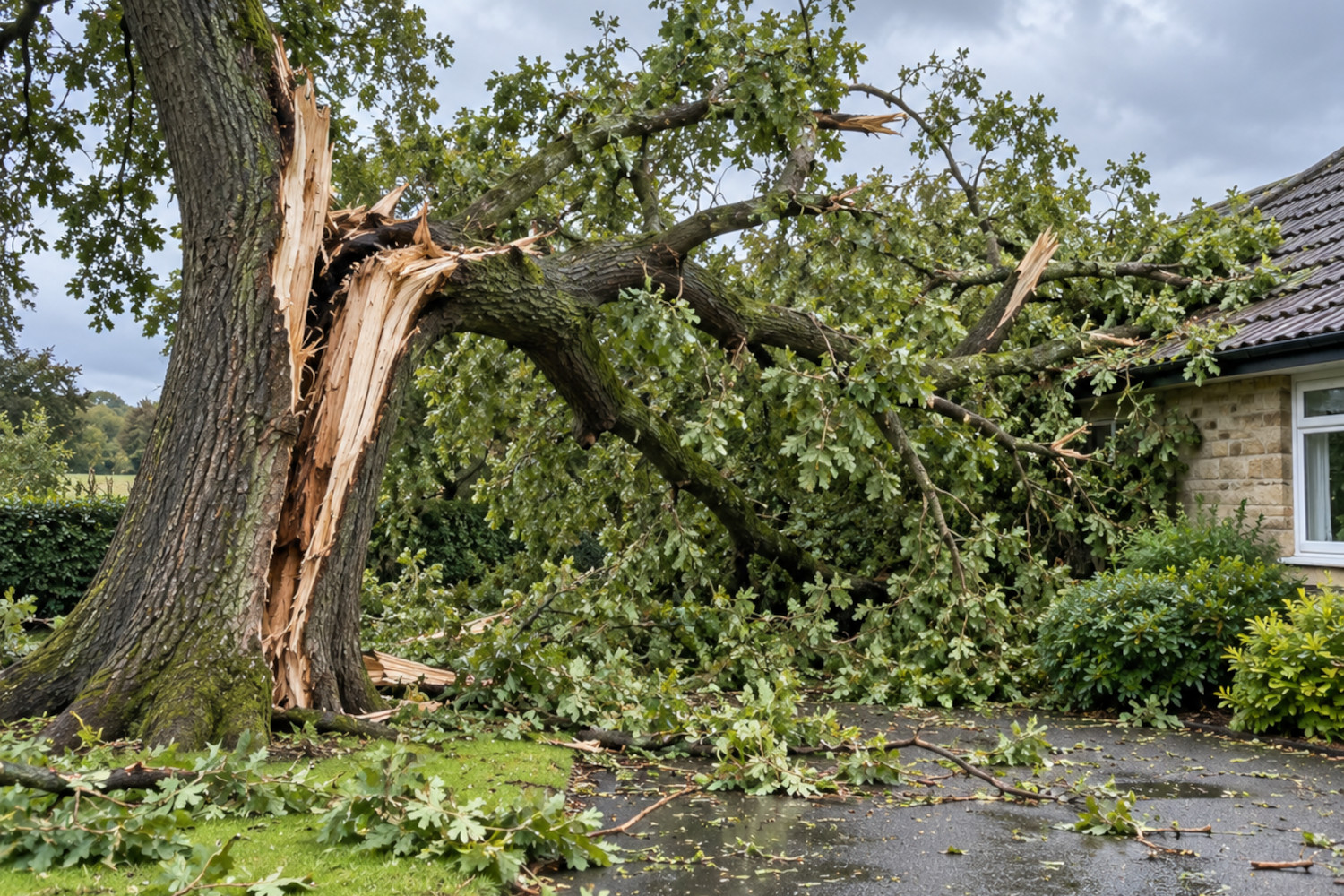
    Storm Damaged Tree


    Assessing Storm-Damaged Trees


    Strong winds can expose weaknesses that were previously difficult to detect. Following a storm, a tree may lose branches, develop splits or suffer movement around its root system.


    Damage is not always as obvious as a completely fallen tree. A branch can remain suspended within the crown, a stem can split without separating completely, or the root plate can move while the tree remains standing. A tree risk assessment after storm damage can help determine whether immediate work is required or whether the tree can be retained with appropriate management. Where a tree presents an urgent concern, Evolution Tree Works also provides emergency tree services in Langford.

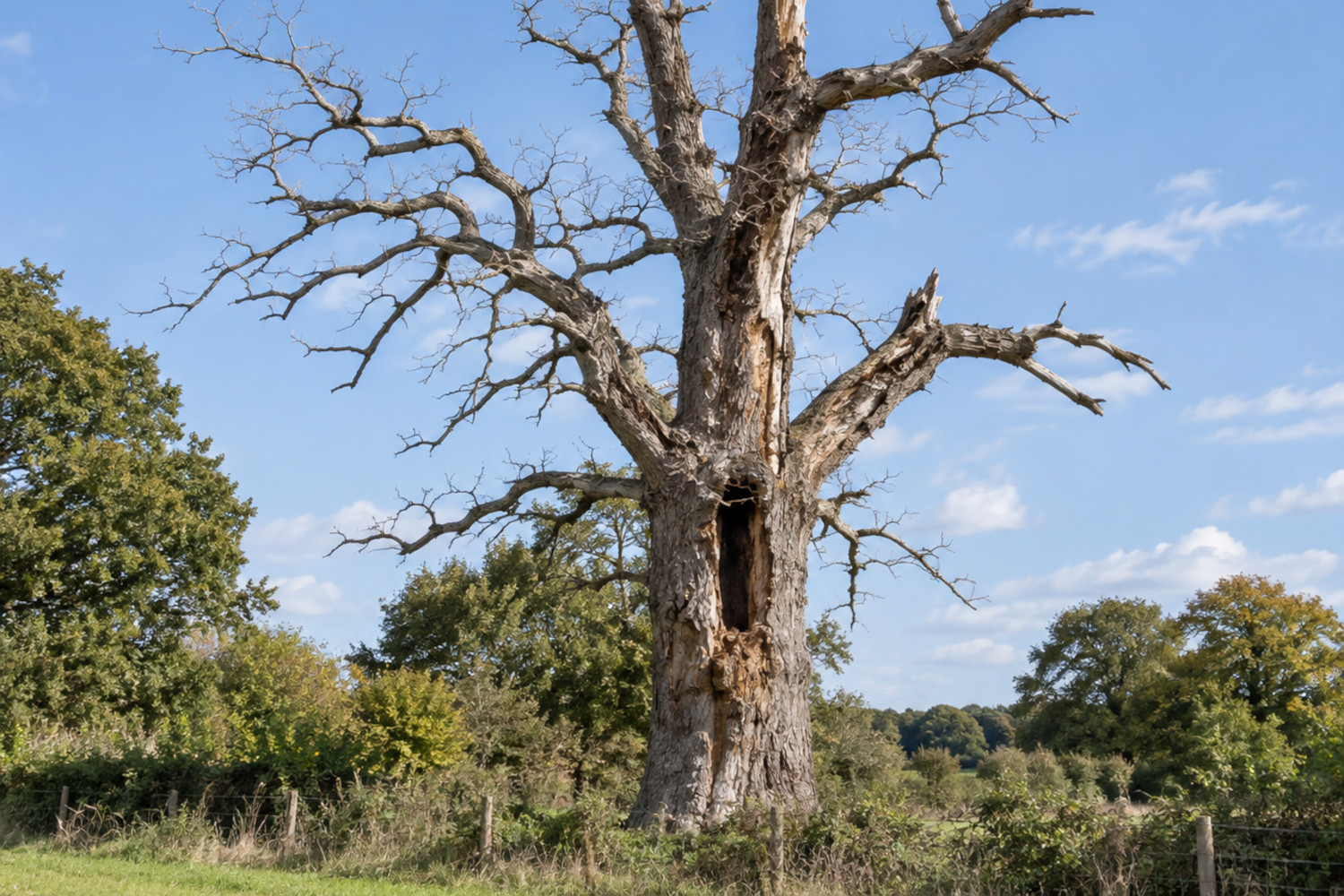
    Dying tree in Langford


    Dead & Dying Trees


    A dead tree does not automatically fall immediately, but its structural condition can deteriorate as the wood decays. Branches may become increasingly brittle and the strength of the main stem can decline.


    The significance of this deterioration depends partly on where the tree is located.


    A dead tree standing close to a house, road, driveway or regularly occupied area may require a different management approach from one in an isolated location. Professional inspection can help determine the condition of the tree and whether removal or other action is appropriate.


    Cracks & Splits in Trees


    Cracks can develop in branches, stems and major unions. Some are relatively minor, while others can indicate a significant structural weakness. Particular attention may be required where a crack is increasing, where movement can be seen around the affected area or where a substantial branch could affect people or property if it failed. The size of the tree, location of the defect and surrounding area all influence how the issue should be managed. Depending on the circumstances, options might include pruning, crown reduction, cable bracing, monitoring or removal.

    Cavities & Decay


    Trees can survive with cavities and areas of decay for many years. The presence of a hollow does not therefore automatically mean a tree is unsafe. What matters is how the decay affects the remaining structure of the tree. Its location, extent and relationship with the surrounding healthy wood all need to be considered. This is one reason visual symptoms should be assessed in context rather than assuming that any hollow tree needs to be felled. Where retention is practical, ongoing monitoring or appropriate pruning may sometimes be recommended.

    Fungal Growth Around Trees


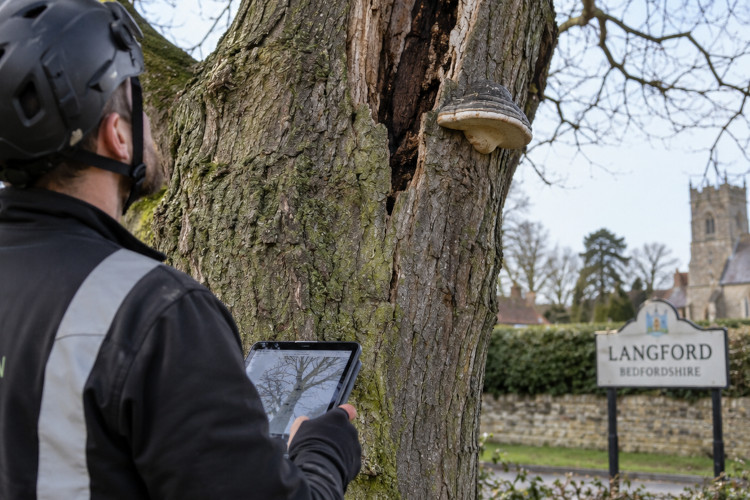
    Fungi are a natural and important part of the environment, and not every mushroom growing near a tree indicates a serious problem. However, certain fungal fruiting bodies can be associated with decay affecting roots or woody tissue. New fungal growth appearing around the base of a mature tree or directly from its trunk can therefore be worth investigating, particularly if other changes in the tree have also been noticed. Photographs can be useful, but an on-site assessment allows the fungal growth to be considered alongside the condition and structure of the tree.


  • Style: Image
  • Image:
  • Extra Block Two (Left):
     

    Leaning Trees


    Many perfectly healthy trees grow at an angle. A longstanding lean is not necessarily a sign of instability. A new or increasing lean, however, deserves more attention, particularly where there has been recent high wind or movement in the surrounding soil. Raised ground, cracking soil or visible root movement around the base of the tree may indicate that the root plate has shifted. If a tree has suddenly begun leaning, people should avoid the area beneath or immediately around it until its condition can be assessed.

    Root Damage & Ground Movement


    Roots provide both water and nutrients and much of the structural anchorage that keeps a tree standing. Damage to significant roots can therefore affect tree stability. Construction, excavation, changes to ground levels and other work around established trees can potentially affect their root systems. Visible movement or lifting of the soil around a tree can also be important, particularly following severe weather. Where root damage or instability is suspected, professional assessment can help determine whether the tree requires further investigation or management.

    Trees Close to Houses & Buildings


    Trees growing close to houses often attract concern simply because of their size. Size alone does not make a tree dangerous. However, where a large tree is close to a building, the consequences of significant branch or tree failure can obviously be greater. Inspection can help separate understandable concern about a large tree from identifiable defects that genuinely require attention. Where work is recommended, tree reduction in Langford may sometimes manage excessive branches or particular structural concerns without removing the entire tree.


    Tree Surveys for Homeowners


    Homeowners commonly request tree inspections because they have noticed a change or are uncertain about the condition of a mature tree. Perhaps a large branch has died, fungi have appeared around the trunk or a tree has moved following a storm. An inspection can provide a clearer understanding of the problem and whether work is necessary. Where intervention is recommended, the objective should be proportionate management rather than automatically removing the tree. Healthy mature trees can be valuable features of a property and should be retained where this is reasonably practical.

    Tree Risk Assessments for Landlords


    Landlords responsible for properties containing mature trees may benefit from periodic professional inspections, particularly where trees are close to buildings, parking areas or communal spaces. An assessment can identify visible concerns and provide a basis for planning appropriate maintenance. Where multiple properties are managed, a more organised approach to tree inspection can also help distinguish urgent work from routine pruning and longer-term monitoring.Evolution Tree Works provides tree inspections in Langford for landlords and property managers as well as individual homeowners.


    Commercial Tree Risk Assessments in Langford


    Businesses and organisations may be responsible for numerous trees across sites used daily by employees, customers, residents and visitors. Trees may be inspected around:


    • Car parks
    • Access roads
    • Pedestrian routes
    • Entrances
    • Office buildings
    • Commercial premises
    • Boundaries
    • Communal areas
    • Landscaped grounds
     

    Assessing trees across a site can help identify priorities and provide a basis for planned maintenance.

    What Happens After a Tree Risk Assessment?


    The outcome depends entirely on what is found. In some cases, no immediate work may be necessary. Where concerns are identified, recommendations might include:


    • Continued monitoring
    • Deadwood removal
    • Selective pruning
    • Crown reduction
    • Cable bracing
    • Further investigation
    • Tree removal


    Any recommended work should reflect the condition of the tree and the significance of the identified issue. Evolution Tree Works can also carry out many of the tree surgery services that may be recommended following an assessment.


    Can a Dangerous Tree Be Saved?


    Sometimes. The discovery of a structural problem does not automatically mean a tree must be removed. Depending on the nature of the defect, potential management options may include: Removing significant deadwood; Selective branch reduction; Crown reduction; Monitoring; Cable bracing; Managing the surrounding area & The suitability of these options depends on the individual tree. Where the remaining structure is seriously compromised or the level of risk cannot reasonably be managed, tree removal in Langford may ultimately be recommended.

    Preventative Tree Management


    Tree risk assessment is not simply about finding dangerous trees. It can also help identify smaller issues before they develop into larger problems. Appropriate pruning, monitoring and planned maintenance can sometimes extend the useful life of a tree and reduce the likelihood of emergency work later. For properties containing several mature trees, this preventative approach can be particularly valuable. Instead of waiting for a branch to fail or a tree to deteriorate significantly, work can be prioritised and scheduled according to need.

    Professional Tree Inspections in Langford


    Understanding the condition of a tree is the first step towards making sensible decisions about its future. Evolution Tree Works provides professional tree surveys, tree inspections and tree risk assessments in Langford, Bedfordshire for domestic and commercial customers. Whether you are concerned about a single mature tree, have noticed changes following a storm or are responsible for multiple trees across a commercial site, we can assess the situation and advise on appropriate next steps.

     
  • Style: Lime
  • Extra Block Three (Left):

    Areas We Cover Around Langford


    Our hedge trimming services are available throughout:


    Need Tree Surveys in Langford?


    If you require a tree risk assessment or tree survey, contact Evolution Tree Works on 01462 637 357 or use the link below to get in touch.


    Get in Touch

  • Extra Block Three (Right):
  • Style: Image
  • Image:


Professional Tree Risk Assessments in Langford, Bedfordshire


Trees are living structures that continually respond to age, weather, disease and their surroundings. Most remain safe and healthy for many years, but damage, decay or structural weaknesses can sometimes develop without being immediately obvious to the property owner.


Evolution Tree Works provides professional tree risk assessments in Langford, Bedfordshire, helping homeowners, landlords, businesses and property managers understand the condition of their trees and identify potential concerns.


A professional tree inspection can assess visible signs of damage, deterioration and structural weakness before recommending appropriate action.


In many cases, this does not mean removing the tree. Monitoring, pruning, tree reduction or structural support may allow a valuable mature tree to remain safely in its surroundings.
Langford Tree Risk Assessments


Get in Touch


What is a Tree Risk Assessment?


A tree risk assessment considers the condition of a tree together with its location and the potential consequences should part or all of the tree fail. This is important because risk is influenced by more than the condition of the tree itself. A defective branch growing above an isolated part of a large garden presents a different situation from a similar branch positioned above a driveway, building, pavement or frequently used entrance.


An assessment therefore considers both the tree and what surrounds it. The objective is to identify significant concerns and determine whether further action is appropriate.

What is a Tree Survey?


The terms tree survey, tree inspection and tree risk assessment are sometimes used interchangeably, but they can describe slightly different types of work. A tree survey in Langford may involve inspecting one tree or a larger collection of trees to record their general condition and identify any that require attention.


A tree risk assessment focuses more specifically on potential hazards, defects and the consequences of failure. The appropriate type of inspection depends on why the trees are being assessed and how the information will be used. Evolution Tree Works can discuss your requirements and advise on a suitable approach.


When Should a Tree Be Inspected?


You do not need to wait until a tree appears dangerous before arranging an inspection. There are many circumstances in which professional assessment can be useful, including:


  • After severe storms or high winds
  • When a tree develops a new or increasing lean
  • Following major branch failure
  • When cracks appear in branches or stems
  • Where cavities or decay are visible
  • When fungal growth appears around the tree
  • If significant branches have died
  • Where roots or surrounding soil appear to be moving
  • Before purchasing or developing a property with significant trees
  • Where trees stand close to buildings or frequently used areas
  • As part of planned commercial tree management
 

If something about a tree has changed noticeably, an inspection can help determine whether that change requires action.


Storm Damaged Tree


Assessing Storm-Damaged Trees


Strong winds can expose weaknesses that were previously difficult to detect. Following a storm, a tree may lose branches, develop splits or suffer movement around its root system.


Damage is not always as obvious as a completely fallen tree. A branch can remain suspended within the crown, a stem can split without separating completely, or the root plate can move while the tree remains standing. A tree risk assessment after storm damage can help determine whether immediate work is required or whether the tree can be retained with appropriate management. Where a tree presents an urgent concern, Evolution Tree Works also provides emergency tree services in Langford.

Dying tree in Langford


Dead & Dying Trees


A dead tree does not automatically fall immediately, but its structural condition can deteriorate as the wood decays. Branches may become increasingly brittle and the strength of the main stem can decline.


The significance of this deterioration depends partly on where the tree is located.


A dead tree standing close to a house, road, driveway or regularly occupied area may require a different management approach from one in an isolated location. Professional inspection can help determine the condition of the tree and whether removal or other action is appropriate.


Cracks & Splits in Trees


Cracks can develop in branches, stems and major unions. Some are relatively minor, while others can indicate a significant structural weakness. Particular attention may be required where a crack is increasing, where movement can be seen around the affected area or where a substantial branch could affect people or property if it failed. The size of the tree, location of the defect and surrounding area all influence how the issue should be managed. Depending on the circumstances, options might include pruning, crown reduction, cable bracing, monitoring or removal.

Cavities & Decay


Trees can survive with cavities and areas of decay for many years. The presence of a hollow does not therefore automatically mean a tree is unsafe. What matters is how the decay affects the remaining structure of the tree. Its location, extent and relationship with the surrounding healthy wood all need to be considered. This is one reason visual symptoms should be assessed in context rather than assuming that any hollow tree needs to be felled. Where retention is practical, ongoing monitoring or appropriate pruning may sometimes be recommended.

Fungal Growth Around Trees


Fungi are a natural and important part of the environment, and not every mushroom growing near a tree indicates a serious problem. However, certain fungal fruiting bodies can be associated with decay affecting roots or woody tissue. New fungal growth appearing around the base of a mature tree or directly from its trunk can therefore be worth investigating, particularly if other changes in the tree have also been noticed. Photographs can be useful, but an on-site assessment allows the fungal growth to be considered alongside the condition and structure of the tree.


Leaning Trees


Many perfectly healthy trees grow at an angle. A longstanding lean is not necessarily a sign of instability. A new or increasing lean, however, deserves more attention, particularly where there has been recent high wind or movement in the surrounding soil. Raised ground, cracking soil or visible root movement around the base of the tree may indicate that the root plate has shifted. If a tree has suddenly begun leaning, people should avoid the area beneath or immediately around it until its condition can be assessed.

Root Damage & Ground Movement


Roots provide both water and nutrients and much of the structural anchorage that keeps a tree standing. Damage to significant roots can therefore affect tree stability. Construction, excavation, changes to ground levels and other work around established trees can potentially affect their root systems. Visible movement or lifting of the soil around a tree can also be important, particularly following severe weather. Where root damage or instability is suspected, professional assessment can help determine whether the tree requires further investigation or management.

Trees Close to Houses & Buildings


Trees growing close to houses often attract concern simply because of their size. Size alone does not make a tree dangerous. However, where a large tree is close to a building, the consequences of significant branch or tree failure can obviously be greater. Inspection can help separate understandable concern about a large tree from identifiable defects that genuinely require attention. Where work is recommended, tree reduction in Langford may sometimes manage excessive branches or particular structural concerns without removing the entire tree.


Tree Surveys for Homeowners


Homeowners commonly request tree inspections because they have noticed a change or are uncertain about the condition of a mature tree. Perhaps a large branch has died, fungi have appeared around the trunk or a tree has moved following a storm. An inspection can provide a clearer understanding of the problem and whether work is necessary. Where intervention is recommended, the objective should be proportionate management rather than automatically removing the tree. Healthy mature trees can be valuable features of a property and should be retained where this is reasonably practical.

Tree Risk Assessments for Landlords


Landlords responsible for properties containing mature trees may benefit from periodic professional inspections, particularly where trees are close to buildings, parking areas or communal spaces. An assessment can identify visible concerns and provide a basis for planning appropriate maintenance. Where multiple properties are managed, a more organised approach to tree inspection can also help distinguish urgent work from routine pruning and longer-term monitoring.Evolution Tree Works provides tree inspections in Langford for landlords and property managers as well as individual homeowners.


Commercial Tree Risk Assessments in Langford


Businesses and organisations may be responsible for numerous trees across sites used daily by employees, customers, residents and visitors. Trees may be inspected around:


  • Car parks
  • Access roads
  • Pedestrian routes
  • Entrances
  • Office buildings
  • Commercial premises
  • Boundaries
  • Communal areas
  • Landscaped grounds
 

Assessing trees across a site can help identify priorities and provide a basis for planned maintenance.

What Happens After a Tree Risk Assessment?


The outcome depends entirely on what is found. In some cases, no immediate work may be necessary. Where concerns are identified, recommendations might include:


  • Continued monitoring
  • Deadwood removal
  • Selective pruning
  • Crown reduction
  • Cable bracing
  • Further investigation
  • Tree removal


Any recommended work should reflect the condition of the tree and the significance of the identified issue. Evolution Tree Works can also carry out many of the tree surgery services that may be recommended following an assessment.


Can a Dangerous Tree Be Saved?


Sometimes. The discovery of a structural problem does not automatically mean a tree must be removed. Depending on the nature of the defect, potential management options may include: Removing significant deadwood; Selective branch reduction; Crown reduction; Monitoring; Cable bracing; Managing the surrounding area & The suitability of these options depends on the individual tree. Where the remaining structure is seriously compromised or the level of risk cannot reasonably be managed, tree removal in Langford may ultimately be recommended.

Preventative Tree Management


Tree risk assessment is not simply about finding dangerous trees. It can also help identify smaller issues before they develop into larger problems. Appropriate pruning, monitoring and planned maintenance can sometimes extend the useful life of a tree and reduce the likelihood of emergency work later. For properties containing several mature trees, this preventative approach can be particularly valuable. Instead of waiting for a branch to fail or a tree to deteriorate significantly, work can be prioritised and scheduled according to need.

Professional Tree Inspections in Langford


Understanding the condition of a tree is the first step towards making sensible decisions about its future. Evolution Tree Works provides professional tree surveys, tree inspections and tree risk assessments in Langford, Bedfordshire for domestic and commercial customers. Whether you are concerned about a single mature tree, have noticed changes following a storm or are responsible for multiple trees across a commercial site, we can assess the situation and advise on appropriate next steps.


Areas We Cover Around Langford


Our hedge trimming services are available throughout:


Need Tree Surveys in Langford?


If you require a tree risk assessment or tree survey, contact Evolution Tree Works on 01462 637 357 or use the link below to get in touch.


Get in Touch


Frequently Asked Questions


Consider arranging an assessment if you notice significant dead branches, cracks, cavities, fungal growth, root movement, a new lean or major storm damage. Inspections can also be useful as part of planned management for properties containing mature trees.

No. Many healthy trees have grown with a natural lean for many years. A new or noticeably increasing lean is more concerning, particularly if accompanied by disturbed soil or visible root movement.

Not necessarily. Trees can sometimes remain structurally viable despite cavities or areas of decay. The location and extent of the defect, the remaining structure and the tree's surroundings all need to be considered.

Yes. Tree surveys can cover multiple trees and are particularly useful for landlords, businesses and properties with larger gardens or landscaped grounds.

The appropriate response depends on the problem. Recommendations might include pruning, crown reduction, deadwood removal, cable bracing, monitoring or, where the tree cannot reasonably be retained, removal.