• Extra Block One (Left):

    Tree Reduction Near Houses


    Large trees close to houses can cause concern when branches begin to extend towards roofs, windows, gutters or other structures. In many cases, this does not mean that the entire tree needs to be removed. Selective pruning or crown reduction can create additional clearance while retaining the tree as an important feature of the garden. The work should consider how the tree will respond afterwards.


    Simply cutting one side heavily to move branches away from a building can leave the crown unbalanced, so pruning should take the structure of the whole tree into account.


    Reducing Overhanging Branches


    Branches extending across gardens, paths, driveways and neighbouring properties are a common reason for requesting tree work. The appropriate solution depends on the size and position of the branches involved.


    Sometimes individual branches can be selectively shortened without reducing the entire crown. In other cases, a more general crown reduction may create a better-balanced result. Professional assessment can help determine how much pruning is necessary while avoiding excessive or unnecessary cutting.


    Crown Lifting


    Crown lifting involves removing or shortening selected lower branches to increase the clearance beneath a tree. This can be useful where branches are beginning to obstruct:


    • Paths and pavements
    • Driveways
    • Parking areas
    • Garden seating areas
    • Access beneath the tree
    • Views and sightlines


    Crown lifting can sometimes solve a clearance problem without significantly reducing the height or overall size of the tree. As with other pruning work, the amount removed should be appropriate to the species, age and structure of the individual tree.

    Crown Thinning


    Crown thinning involves selectively removing branches from throughout the crown without substantially changing its overall dimensions. It can be used in particular circumstances to reduce crown density or address specific branch arrangements. Unlike crown reduction, thinning does not normally make the tree significantly shorter or narrower.


    Whether crown thinning is appropriate depends on the tree and the reason for carrying out the work.


    Evolution Tree Works can advise whether thinning, reduction or selective pruning would provide the most suitable result.


    Tree Reduction for More Light


    Large trees can create considerable shade, particularly in smaller gardens. It is therefore common for homeowners to ask whether reducing a tree will allow more light into the property. 


    Pruning can sometimes improve light levels, but the results depend on the position, species and density of the tree as well as the direction of the sun. Severely cutting a healthy tree purely to maximise light is not always a good long-term solution. 


    A carefully planned reduction can provide a sensible compromise between managing shade and retaining an attractive, healthy tree.

    Reducing Large & Mature Trees


    Mature trees require particularly thoughtful management. A large tree may have taken many decades to develop and can make an important contribution to the appearance and character of a property. Where such a tree needs to be made smaller, the objective should generally be to retain as much healthy structure as reasonably possible.


    Excessive pruning can cause stress and stimulate dense regrowth that may require further management. Appropriate reduction considers both the immediate requirement and how the tree is likely to develop in the years following the work.

    Tree Reduction & Structural Weakness


    Tree reduction can sometimes form part of the management of a structurally vulnerable tree. Large branches act as levers when moved by the wind. Carefully reducing the length and weight of selected limbs can reduce some of the forces acting upon weak unions or compromised branches.


    However, pruning is not a universal solution for structural problems. A tree with significant cracks, decay or other defects may require a more detailed tree risk assessment in Langford before deciding on the appropriate work. In certain situations, reduction may also be considered alongside tree cable bracing to help manage a valuable mature tree.


    What is Pollarding?


    Pollarding is a specific method of tree management in which branches are repeatedly cut back to established pruning points. When begun appropriately and maintained as a regular cycle, pollarding can control the size of certain tree species over a long period.


    It is different from simply cutting the top from an established tree. A correctly managed pollarded tree develops characteristic pollard heads from which new shoots repeatedly grow. Once a tree has been established on a pollarding cycle, regular maintenance is generally required to manage the resulting regrowth.

    Tree Reduction or Pollarding?


    Crown reduction and pollarding are not interchangeable terms. Tree reduction generally aims to decrease the dimensions of the crown while retaining a natural branch structure and outline. Pollarding creates and maintains a deliberately controlled framework from which new shoots repeatedly develop.


    Whether pollarding is appropriate depends on the species, age and previous management of the tree. For many mature trees that have not previously been pollarded, crown reduction may be a more appropriate way of managing size. Trees already maintained as pollards should generally continue to be managed according to an appropriate pruning cycle.

    Why Tree Topping is Different


    Tree topping involves indiscriminately cutting large branches or stems without sufficient regard for appropriate pruning points or the resulting structure of the tree. This can leave large wounds and stimulate vigorous regrowth around the cuts.


    The result may initially make the tree considerably smaller, but it can create future management problems and an unnatural appearance. Professional crown reduction takes a more considered approach, selecting appropriate branches and pruning points while maintaining the overall structure of the tree.

     
  • Style: Image
  • Image:
  • Extra Block Two (Left):


    Can Tree Reduction Save a Dangerous Tree?


    Sometimes reduction can form part of the management of a tree with structural concerns, but it depends entirely on the nature of the problem. Reducing particular branches may decrease weight or wind loading, while other trees may benefit from additional structural support. Where severe decay, root failure or major structural damage is present, reduction may not be sufficient to make the tree reasonably safe.


    An appropriate assessment should therefore come before deciding on the work. Where safe retention is no longer practical, tree removal in Langford may need to be considered.

    How Often Does a Reduced Tree Need Pruning?


    There is no single pruning interval suitable for every tree. The rate of regrowth depends on the species, age, health of the tree and severity of the previous reduction. Some trees may require relatively regular maintenance, while others can be left for considerably longer periods between reductions. 


    It is generally preferable to manage a tree through appropriate periodic pruning rather than repeatedly allowing it to become excessively large and then carrying out severe reductions.

    Tree Reduction for Commercial Properties


    Evolution Tree Works also provides commercial tree reduction in Langford for businesses, landlords and property managers. Trees around commercial premises may require management to maintain clearance from buildings, car parks, roads, entrances and pedestrian areas.


    Planned pruning can help prevent branches gradually encroaching upon these spaces while maintaining established trees as part of the landscape. Tree reduction can be incorporated into wider commercial tree maintenance where a property contains multiple trees requiring ongoing management.


    Tree Reduction & Wildlife


    Trees provide valuable habitats for birds, bats, insects and other wildlife. This needs to be considered when planning pruning work.


    Active bird nests are protected, and additional considerations may apply where trees contain features suitable for protected species.


    Where possible, tree work should be planned with both the needs of the tree and the wildlife using it in mind.

    Maintaining Mature Trees in Langford


    Mature trees can provide shade, screening, wildlife habitat and considerable visual character. Where a tree has become large, complete removal is not necessarily the only option. Appropriate pruning can often manage conflicts between the tree and its surroundings while allowing it to remain an important part of the property.


    Evolution Tree Works can assess mature trees and advise whether crown reduction, crown lifting, selective pruning, pollarding or another management approach is appropriate.

    Professional Tree Surgeons in Langford


    Tree reduction requires an understanding of both how branches can be safely removed and how the tree is likely to respond afterwards. Evolution Tree Works provides professional tree reduction in Langford, Bedfordshire, carrying out pruning appropriate to the species, structure and condition of the tree.


    Whether you have a single garden tree that has become too large or several trees requiring management across a commercial property, we can assess the situation and recommend a practical approach.

     
  • Style: White
  • Extra Block Three (Left):

    Areas We Cover Around Langford


    Our hedge trimming services are available throughout:


    Need Tree Reduction services in Langford?


    If your hedge is becoming too tall, too wide or simply needs tidying, contact Evolution Tree Works on 01462 637 357 or use the link below to get in touch.


    Get in Touch

  • Extra Block Three (Right):
  • Style: Image
  • Image:


Professional Tree Reduction in Langford, Bedfordshire


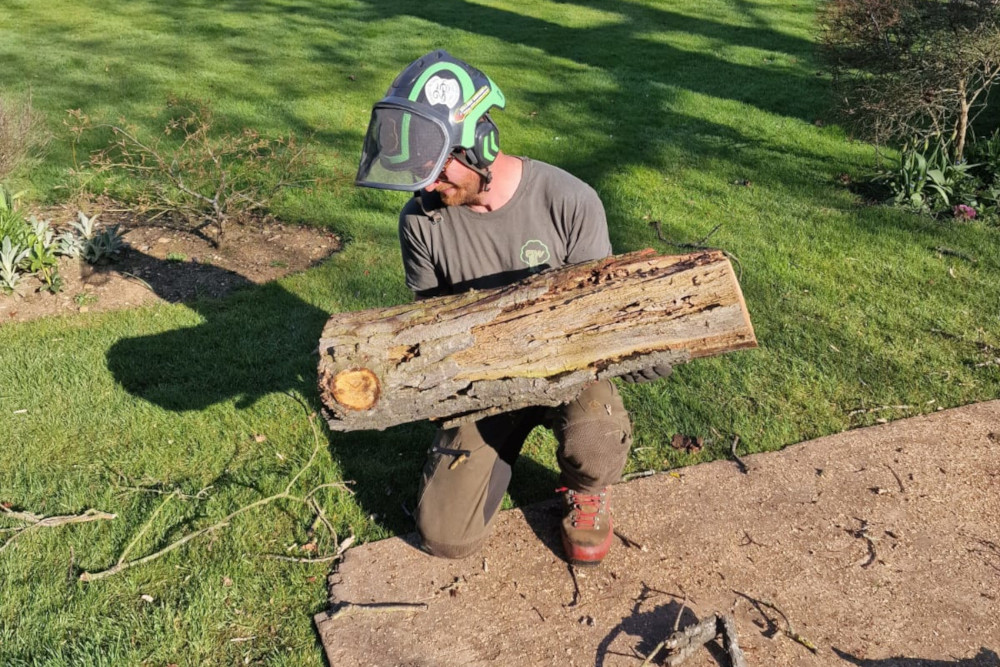
Trees are an important part of our gardens and landscapes, but as they mature their size can sometimes become difficult to manage. Branches may begin to extend towards buildings, overshadow gardens, obstruct access or simply become too large for the space available. Evolution Tree Works provides professional tree reduction in Langford, Bedfordshire, helping homeowners, landlords and businesses manage established trees while retaining their natural character wherever possible.


Tree reduction is not simply a matter of cutting branches shorter. Good pruning considers the species, age, structure and condition of the tree, removing an appropriate amount of growth while maintaining a balanced crown.
Langford Tree Reduction


What is Tree Reduction?


Tree reduction involves carefully reducing the overall dimensions of a tree's crown. This may involve reducing its height, spread or both, depending on the reason for the work. Rather than indiscriminately cutting branches back, selected branches are shortened to appropriate growth points throughout the crown.


The objective is to create a smaller, balanced canopy that remains appropriate for the species and structure of the tree. A successful crown reduction should still look like a tree rather than simply appearing to have had its outer branches removed.


Crown Reduction in Langford


Crown reduction reduces the overall height and spread of a tree while retaining its basic natural shape. The amount of material that can appropriately be removed depends on the individual tree. 


Different species respond differently to pruning, and excessive reduction can result in vigorous regrowth, poor branch structure and unnecessary stress. For this reason, the required reduction is better considered in terms of what is appropriate for the tree rather than simply removing the greatest possible amount.


Why Reduce a Tree?


There are many reasons why an established tree may benefit from reduction.


These can include:


  • The crown becoming too large for the garden
  • Branches extending towards buildings
  • Excessive overhang above neighbouring property
  • Improving clearance above paths or driveways
  • Managing particular heavy or vulnerable branches
  • Reducing the leverage on structurally weak limbs
  • Allowing additional space around surrounding features
  • Managing a mature tree without removing it


Where a healthy tree has simply become too large for its surroundings, appropriate reduction can often provide a better solution than complete removal.


Evolution Tree Works can assess the tree and recommend a suitable level of crown reduction for its condition and surroundings.


Get in Touch


Tree Reduction Near Houses


Large trees close to houses can cause concern when branches begin to extend towards roofs, windows, gutters or other structures. In many cases, this does not mean that the entire tree needs to be removed. Selective pruning or crown reduction can create additional clearance while retaining the tree as an important feature of the garden. The work should consider how the tree will respond afterwards.


Simply cutting one side heavily to move branches away from a building can leave the crown unbalanced, so pruning should take the structure of the whole tree into account.


Reducing Overhanging Branches


Branches extending across gardens, paths, driveways and neighbouring properties are a common reason for requesting tree work. The appropriate solution depends on the size and position of the branches involved.


Sometimes individual branches can be selectively shortened without reducing the entire crown. In other cases, a more general crown reduction may create a better-balanced result. Professional assessment can help determine how much pruning is necessary while avoiding excessive or unnecessary cutting.


Crown Lifting


Crown lifting involves removing or shortening selected lower branches to increase the clearance beneath a tree. This can be useful where branches are beginning to obstruct:


  • Paths and pavements
  • Driveways
  • Parking areas
  • Garden seating areas
  • Access beneath the tree
  • Views and sightlines


Crown lifting can sometimes solve a clearance problem without significantly reducing the height or overall size of the tree. As with other pruning work, the amount removed should be appropriate to the species, age and structure of the individual tree.

Crown Thinning


Crown thinning involves selectively removing branches from throughout the crown without substantially changing its overall dimensions. It can be used in particular circumstances to reduce crown density or address specific branch arrangements. Unlike crown reduction, thinning does not normally make the tree significantly shorter or narrower.


Whether crown thinning is appropriate depends on the tree and the reason for carrying out the work.


Evolution Tree Works can advise whether thinning, reduction or selective pruning would provide the most suitable result.


Tree Reduction for More Light


Large trees can create considerable shade, particularly in smaller gardens. It is therefore common for homeowners to ask whether reducing a tree will allow more light into the property. 


Pruning can sometimes improve light levels, but the results depend on the position, species and density of the tree as well as the direction of the sun. Severely cutting a healthy tree purely to maximise light is not always a good long-term solution. 


A carefully planned reduction can provide a sensible compromise between managing shade and retaining an attractive, healthy tree.

Reducing Large & Mature Trees


Mature trees require particularly thoughtful management. A large tree may have taken many decades to develop and can make an important contribution to the appearance and character of a property. Where such a tree needs to be made smaller, the objective should generally be to retain as much healthy structure as reasonably possible.


Excessive pruning can cause stress and stimulate dense regrowth that may require further management. Appropriate reduction considers both the immediate requirement and how the tree is likely to develop in the years following the work.

Tree Reduction & Structural Weakness


Tree reduction can sometimes form part of the management of a structurally vulnerable tree. Large branches act as levers when moved by the wind. Carefully reducing the length and weight of selected limbs can reduce some of the forces acting upon weak unions or compromised branches.


However, pruning is not a universal solution for structural problems. A tree with significant cracks, decay or other defects may require a more detailed tree risk assessment in Langford before deciding on the appropriate work. In certain situations, reduction may also be considered alongside tree cable bracing to help manage a valuable mature tree.


What is Pollarding?


Pollarding is a specific method of tree management in which branches are repeatedly cut back to established pruning points. When begun appropriately and maintained as a regular cycle, pollarding can control the size of certain tree species over a long period.


It is different from simply cutting the top from an established tree. A correctly managed pollarded tree develops characteristic pollard heads from which new shoots repeatedly grow. Once a tree has been established on a pollarding cycle, regular maintenance is generally required to manage the resulting regrowth.

Tree Reduction or Pollarding?


Crown reduction and pollarding are not interchangeable terms. Tree reduction generally aims to decrease the dimensions of the crown while retaining a natural branch structure and outline. Pollarding creates and maintains a deliberately controlled framework from which new shoots repeatedly develop.


Whether pollarding is appropriate depends on the species, age and previous management of the tree. For many mature trees that have not previously been pollarded, crown reduction may be a more appropriate way of managing size. Trees already maintained as pollards should generally continue to be managed according to an appropriate pruning cycle.

Why Tree Topping is Different


Tree topping involves indiscriminately cutting large branches or stems without sufficient regard for appropriate pruning points or the resulting structure of the tree. This can leave large wounds and stimulate vigorous regrowth around the cuts.


The result may initially make the tree considerably smaller, but it can create future management problems and an unnatural appearance. Professional crown reduction takes a more considered approach, selecting appropriate branches and pruning points while maintaining the overall structure of the tree.


Can Tree Reduction Save a Dangerous Tree?


Sometimes reduction can form part of the management of a tree with structural concerns, but it depends entirely on the nature of the problem. Reducing particular branches may decrease weight or wind loading, while other trees may benefit from additional structural support. Where severe decay, root failure or major structural damage is present, reduction may not be sufficient to make the tree reasonably safe.


An appropriate assessment should therefore come before deciding on the work. Where safe retention is no longer practical, tree removal in Langford may need to be considered.

How Often Does a Reduced Tree Need Pruning?


There is no single pruning interval suitable for every tree. The rate of regrowth depends on the species, age, health of the tree and severity of the previous reduction. Some trees may require relatively regular maintenance, while others can be left for considerably longer periods between reductions. 


It is generally preferable to manage a tree through appropriate periodic pruning rather than repeatedly allowing it to become excessively large and then carrying out severe reductions.

Tree Reduction for Commercial Properties


Evolution Tree Works also provides commercial tree reduction in Langford for businesses, landlords and property managers. Trees around commercial premises may require management to maintain clearance from buildings, car parks, roads, entrances and pedestrian areas.


Planned pruning can help prevent branches gradually encroaching upon these spaces while maintaining established trees as part of the landscape. Tree reduction can be incorporated into wider commercial tree maintenance where a property contains multiple trees requiring ongoing management.


Tree Reduction & Wildlife


Trees provide valuable habitats for birds, bats, insects and other wildlife. This needs to be considered when planning pruning work.


Active bird nests are protected, and additional considerations may apply where trees contain features suitable for protected species.


Where possible, tree work should be planned with both the needs of the tree and the wildlife using it in mind.

Maintaining Mature Trees in Langford


Mature trees can provide shade, screening, wildlife habitat and considerable visual character. Where a tree has become large, complete removal is not necessarily the only option. Appropriate pruning can often manage conflicts between the tree and its surroundings while allowing it to remain an important part of the property.


Evolution Tree Works can assess mature trees and advise whether crown reduction, crown lifting, selective pruning, pollarding or another management approach is appropriate.

Professional Tree Surgeons in Langford


Tree reduction requires an understanding of both how branches can be safely removed and how the tree is likely to respond afterwards. Evolution Tree Works provides professional tree reduction in Langford, Bedfordshire, carrying out pruning appropriate to the species, structure and condition of the tree.


Whether you have a single garden tree that has become too large or several trees requiring management across a commercial property, we can assess the situation and recommend a practical approach.


Areas We Cover Around Langford


Our hedge trimming services are available throughout:


Need Tree Reduction services in Langford?


If your hedge is becoming too tall, too wide or simply needs tidying, contact Evolution Tree Works on 01462 637 357 or use the link below to get in touch.


Get in Touch


Frequently Asked Questions


Tree pruning is a broad term covering the selective removal of branches for many different reasons. Crown reduction is a particular form of pruning intended to reduce the overall height or spread of the tree while retaining an appropriate structure and balanced shape.

Often, yes. Crown reduction can decrease the height and spread of suitable trees while allowing them to be retained. The amount that can appropriately be removed depends on the species, age, condition and structure of the tree.

It can. Reducing or selectively pruning a dense tree may improve light levels, although the result depends on the tree's position, crown and the direction of sunlight. Excessive pruning purely to increase light should generally be avoided.

No. Crown reduction retains a smaller version of the tree's natural crown, while pollarding involves repeatedly cutting growth back to established pruning points. Pollarding is particularly appropriate for trees already managed using this method.

This varies considerably between trees. Species, age, condition and the amount of regrowth all affect how quickly further pruning may be required. Regular inspection can help determine when another reduction is appropriate.