
• Extra Block One (Left):

    Trees for Small Gardens


    A smaller garden does not mean you cannot plant a tree. There are many species and varieties capable of providing flowers, foliage, attractive bark, autumn colour or wildlife benefits without eventually dominating the entire garden. Species selection becomes particularly important where space is limited.


    Rather than planting a naturally large tree and repeatedly pruning it to keep it small, choosing one with an appropriate mature size can provide a much more successful long-term result.


    Tree Planting for Privacy & Screening


    Trees can provide attractive natural screening between neighbouring properties or help soften views of roads, buildings and surrounding development. The right planting can provide privacy without creating the hard visual boundary of a tall fence or wall.


    Evergreen trees may offer year-round screening, while deciduous species can provide privacy during the growing season while allowing more light through during winter. The eventual height and width of the tree should still be considered carefully.


    A fast-growing tree may provide screening sooner, but rapid growth can also result in greater future maintenance. Evolution Tree Works can advise on suitable trees for privacy and screening in Langford based on the space available and the effect you would like to achieve.


    Planting Trees for Shade


    A mature tree can provide welcome natural shade within a garden. Trees can be positioned to create shade around lawns, seating areas and other outdoor spaces while contributing to the overall appearance of the property.


    Position is particularly important when shade is one of the objectives. A tree should have sufficient room to develop without its eventual crown creating unwanted conflicts with neighbouring properties or blocking excessive light from the home.


    Considering both the movement of the sun and the mature dimensions of the tree can help determine a suitable planting position.


    Replacing a Removed Tree


    Tree planting often follows the removal of an old, dead or unsuitable tree. A replacement provides an opportunity to restore greenery to the garden while choosing a species better suited to the location. It is not always best to plant the new tree directly where the previous tree stood.


    The old root system, remaining stump material, soil conditions and reason for the original tree's removal may all influence the best location for replacement planting. If Evolution Tree Works has carried out tree removal and stump grinding in Langford, we can also discuss suitable replacement trees and possible planting positions.

  • Extra Block One (Right):

    Trees for Seasonal Interest


    Trees can provide much more than green foliage. Depending on the species, a tree may offer spring blossom, summer flowers, fruit, colourful autumn leaves, berries or distinctive bark during winter.


    Combining different characteristics can make trees valuable features throughout the year. For ornamental planting, it is worth considering when the tree will provide its greatest visual interest and how this complements the other plants already growing within the garden.


    Planting Trees for Wildlife


    Trees can support an enormous variety of wildlife. Flowers provide food for pollinating insects, while fruit, seeds and nuts can be valuable to birds and other animals. As trees develop, their branches and foliage can also provide shelter and nesting opportunities.


    Where wildlife is an important objective, species can be selected partly for the habitats and food sources they provide. Combining appropriate trees with hedges and other planting can create a much richer garden environment than relying on a single type of vegetation.


    Native Tree Planting


    Native trees can be particularly useful where the objective is to create wildlife habitat or planting that complements the surrounding landscape. Different species support different insects, birds and other wildlife and can add considerable ecological value to a garden or larger site. However, a tree being native does not automatically make it appropriate for every location.


    Some native trees can ultimately become very large. Mature dimensions, soil preferences and the available space still need to be considered before choosing a species.


    Can I Plant Where a Stump Has Been Ground Out?


    Stump grinding removes the main stump below ground level, but much of the wider root system remains within the soil. For this reason, planting another tree directly into the same spot may not always provide the best conditions. Moving the new planting position a suitable distance away can give the replacement tree access to less disturbed soil and avoid some of the remaining woody material.


    Every site is different, so the previous tree and intended replacement should be considered before deciding where to plant.

  • Style: Image
  • Image:
  • Extra Block Two (Left):
     

    Tree Planting 

    When is the Best Time to Plant Trees?


    The ideal planting period depends partly on how the tree has been supplied and the prevailing weather and soil conditions. The cooler months are traditionally well suited to planting many trees because the soil is generally moist and the tree experiences less stress from hot weather and active growth.


    Container-grown trees can provide greater flexibility, although planting during warm or dry conditions creates a greater need for careful watering. Whatever the planting season, appropriate aftercare is essential while the new root system becomes established.

    Tree Planting


    Preparing the Planting Site


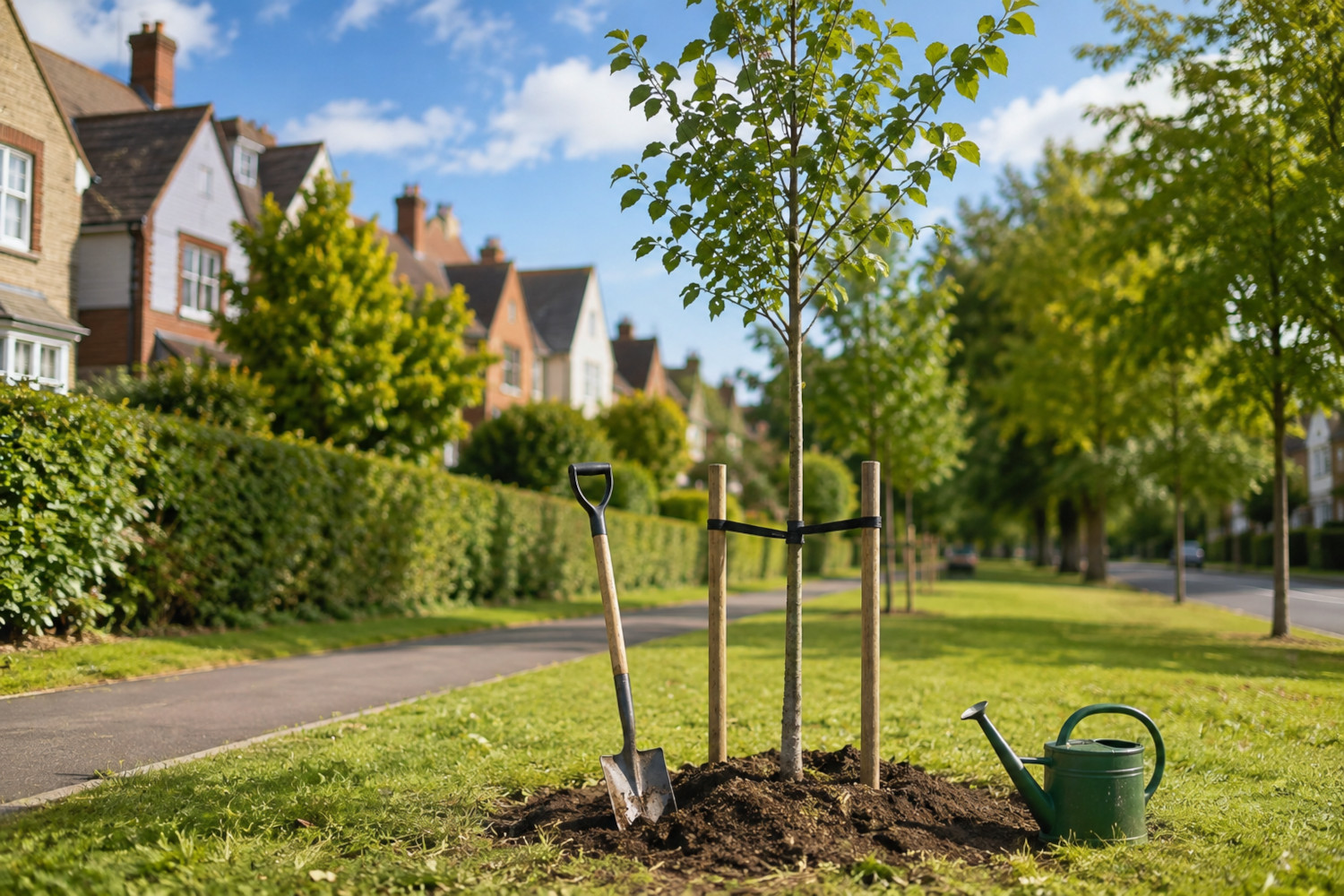
    Good preparation can make an important difference to successful establishment. The planting position needs to provide enough space for the roots and suitable surrounding soil. Trees should also be planted at an appropriate depth. Planting too deeply can cause long-term problems, so simply digging the deepest possible hole is not the objective.


    The surrounding ground should encourage the roots to develop outwards into the soil as the tree establishes. Site conditions such as drainage, compaction and competition from surrounding vegetation should also be considered.

    Tree Planting


    Staking Newly Planted Trees


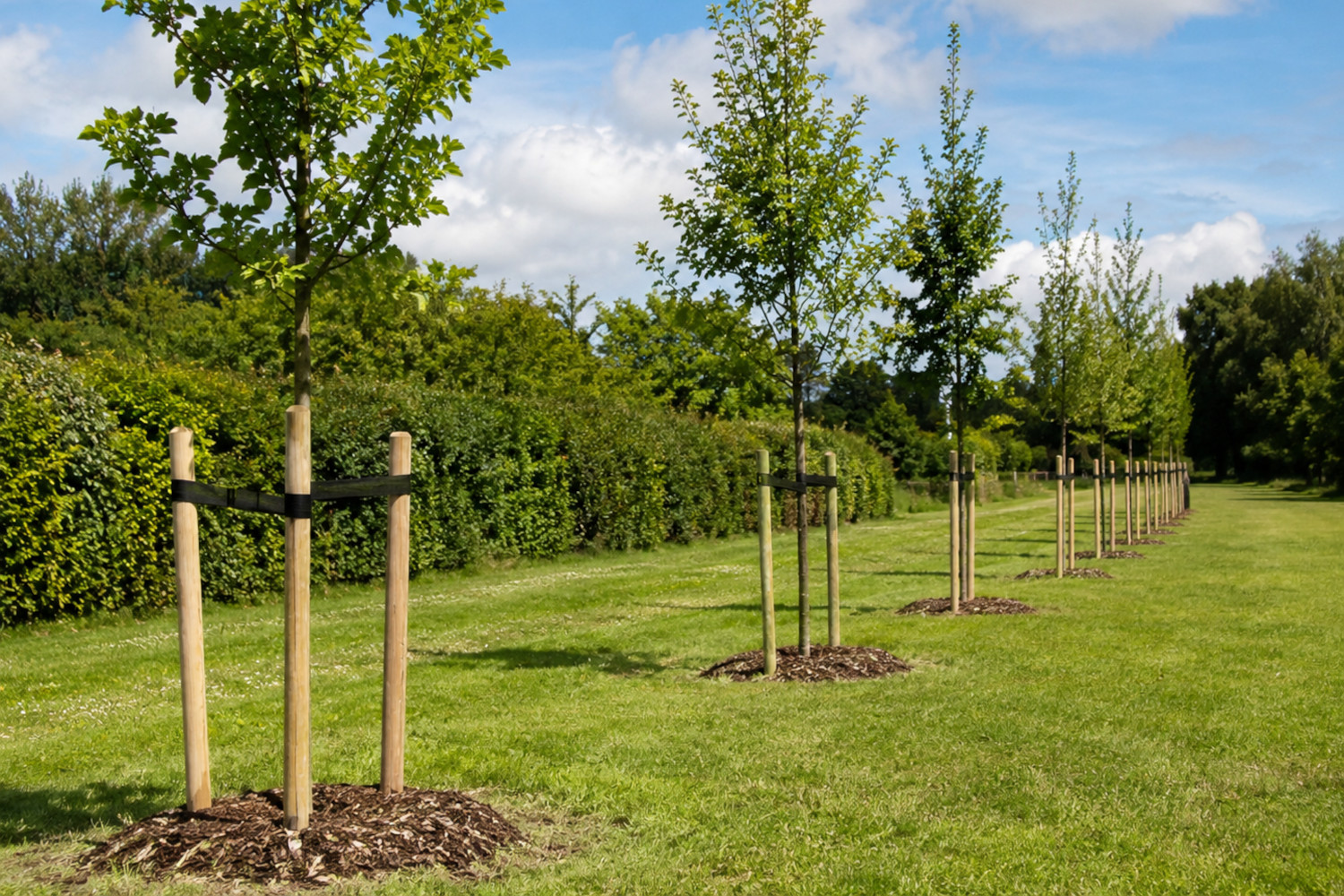
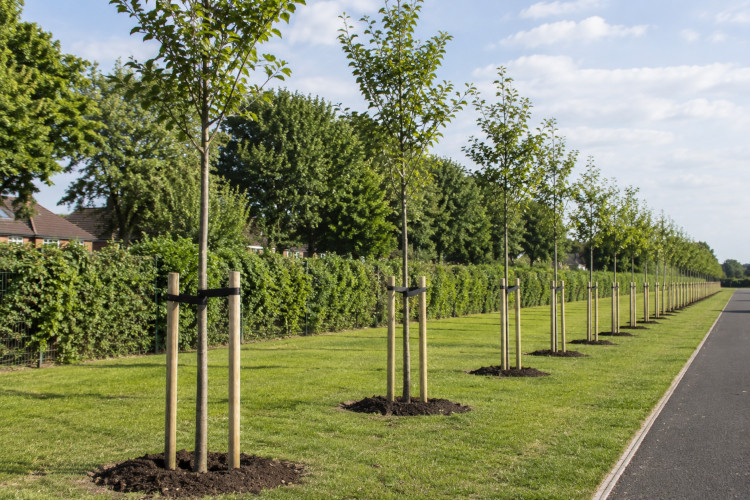
    Some young trees benefit from temporary support after planting. Staking can help stabilise the root system while it establishes, particularly in exposed locations. The objective is not necessarily to prevent all movement.


    A correctly supported tree can still respond naturally to its environment while excessive movement around the roots is controlled. Stakes and ties should be checked as the tree grows. Ties that become too tight can damage the trunk, and support should not simply be left indefinitely after it is no longer required.


    Watering New Trees


    Watering is one of the most important parts of tree establishment. A newly planted tree does not yet have the extensive root system of an established tree and can therefore be vulnerable during dry periods. Thorough watering encourages moisture to reach the root zone rather than simply wetting the surface of the soil.


    Particular attention may be necessary during prolonged warm and dry weather and through the tree's early growing seasons. The precise amount of water required will vary according to the tree, soil and weather conditions.

    Mulching Around Newly Planted Trees


    Mulching can help retain soil moisture and reduce competition from grass and weeds around a newly planted tree. Organic material can be applied across the planting area while leaving a gap immediately around the trunk. Mulch should not be piled against the bark. Creating a relatively vegetation-free area around the young tree can help reduce competition while its root system becomes established.

    Formative Pruning


    Early tree management can influence how a young tree develops. Formative pruning involves addressing particular structural issues while branches are still relatively small. This may include dealing with damaged growth or branch arrangements likely to create problems as the tree matures. The aim is not to continually cut back a young tree but to encourage the development of a sound structure. Small, carefully considered interventions during the early years can sometimes prevent the need for much larger pruning work later.


    Looking After a Newly Planted Tree


    Planting day is only the beginning of establishing a new tree. During its early years, it is worth periodically checking:

    •  Soil moisture
    • Stakes and ties
    • Damage to the trunk
    • Competing vegetation
    • Mulch around the planting area
    • General growth and condition
     

    Young trees that receive appropriate early care have a much better opportunity to establish successfully. Once the root system has developed and the tree becomes established, it should gradually require less intensive attention.


    Tree Planting for Commercial Properties


    Evolution Tree Works also provides commercial tree planting in Langford for businesses, landlords and property managers. New trees can enhance offices, business premises, communal grounds, car parks and other managed landscapes. Commercial planting requires particularly careful consideration of the surrounding site. The mature tree should not unnecessarily interfere with vehicle access, pedestrian routes, buildings, signs or visibility. Selecting an appropriate species at the beginning can create an attractive landscape while reducing future maintenance requirements.

    Replacement Planting for Commercial Sites


    Trees within commercial landscapes sometimes need to be removed because of age, condition, development or structural concerns. Replacement planting can maintain the character and greenery of the site while introducing trees better suited to current requirements. A replacement does not necessarily need to be the same species as the tree that was removed. Changes to the surrounding landscape, available space and future maintenance requirements can all be considered when selecting the new tree.

    Professional Tree Planting in Langford


    Successful tree planting combines good species selection, an appropriate location, correct planting and suitable aftercare. Evolution Tree Works provides professional tree planting in Langford, Bedfordshire, helping customers make choices that work not only today but as the tree develops in the years ahead. Whether you want a single ornamental tree, natural screening, replacement planting, wildlife-friendly trees or planting for a commercial property, we can discuss your requirements and recommend an appropriate approach.

     
  • Style: Dark
  • Extra Block Three (Left):

    Areas We Cover Around Langford


    Our hedge trimming services are available throughout:


    Need Tree Planting services in Langford?


    If you need trees planted contact Evolution Tree Works on 01462 637 357 or use the link below to get in touch.


    Get in Touch

  • Extra Block Three (Right):
  • Style: Image
  • Image:


Professional Tree Planting in Langford, Bedfordshire


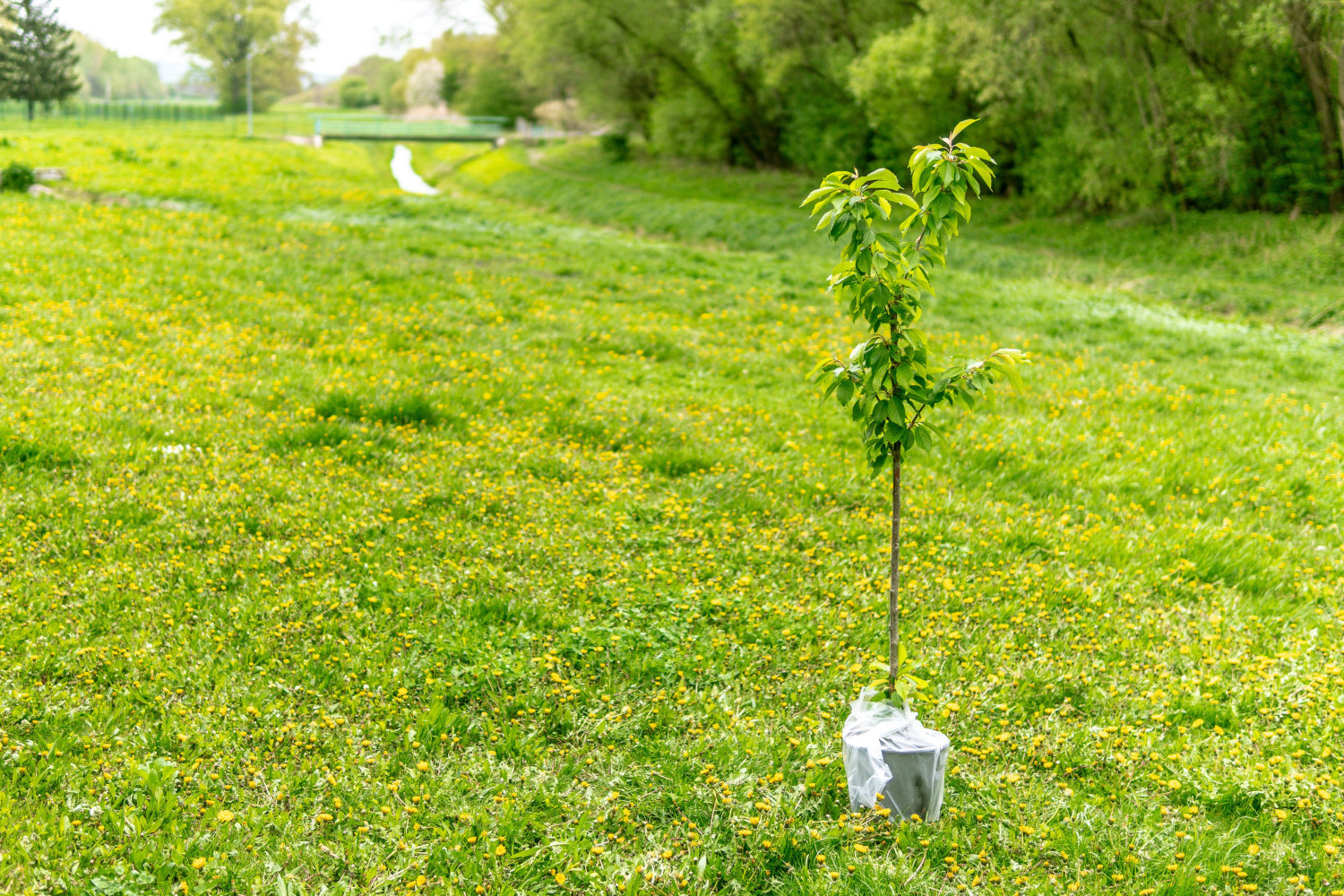
A well-chosen tree can transform a garden or landscape, providing colour, shade, privacy and valuable habitat for wildlife. As it matures, it can become one of the defining features of a property. Evolution Tree Works provides professional tree planting in Langford, Bedfordshire, helping homeowners, landlords, businesses and property managers choose and establish trees suited to their surroundings.


Successful planting begins with choosing the right tree for the right location. A young tree may occupy very little space when first planted, but its eventual height, crown spread and root development all need to be considered. Our experienced team can advise on species, positioning and planting, helping give new trees the best possible start.
Tree Planting


Choosing the Right Tree


There is no single tree that is suitable for every garden. The right choice depends on the space available, local growing conditions and what you would like the tree to achieve.


Important considerations include:


  • Mature height
  • Eventual crown spread
  • Soil conditions and drainage
  • Available sunlight
  • Proximity to buildings
  • Surrounding trees and planting
  • Privacy and screening requirements
  • Seasonal appearance
  • Wildlife value
  • Future maintenance


Thinking about these factors before planting can avoid many of the problems that arise when a tree eventually becomes too large for its location.

The Right Tree in the Right Place


Trees are long-term additions to a landscape. A tree that looks perfectly proportioned when newly planted may develop into a substantial structure over the following decades. Planting too close to buildings, beneath unsuitable obstructions or within an area that cannot accommodate the mature crown can result in repeated pruning or eventual removal.


Professional tree planting in Langford considers how the tree is likely to develop rather than focusing only on its appearance at the time of planting. Allowing sufficient room for natural growth can produce a healthier tree that requires less intervention as it matures.


Get in Touch


Trees for Small Gardens


A smaller garden does not mean you cannot plant a tree. There are many species and varieties capable of providing flowers, foliage, attractive bark, autumn colour or wildlife benefits without eventually dominating the entire garden. Species selection becomes particularly important where space is limited.


Rather than planting a naturally large tree and repeatedly pruning it to keep it small, choosing one with an appropriate mature size can provide a much more successful long-term result.


Tree Planting for Privacy & Screening


Trees can provide attractive natural screening between neighbouring properties or help soften views of roads, buildings and surrounding development. The right planting can provide privacy without creating the hard visual boundary of a tall fence or wall.


Evergreen trees may offer year-round screening, while deciduous species can provide privacy during the growing season while allowing more light through during winter. The eventual height and width of the tree should still be considered carefully.


A fast-growing tree may provide screening sooner, but rapid growth can also result in greater future maintenance. Evolution Tree Works can advise on suitable trees for privacy and screening in Langford based on the space available and the effect you would like to achieve.


Planting Trees for Shade


A mature tree can provide welcome natural shade within a garden. Trees can be positioned to create shade around lawns, seating areas and other outdoor spaces while contributing to the overall appearance of the property.


Position is particularly important when shade is one of the objectives. A tree should have sufficient room to develop without its eventual crown creating unwanted conflicts with neighbouring properties or blocking excessive light from the home.


Considering both the movement of the sun and the mature dimensions of the tree can help determine a suitable planting position.


Replacing a Removed Tree


Tree planting often follows the removal of an old, dead or unsuitable tree. A replacement provides an opportunity to restore greenery to the garden while choosing a species better suited to the location. It is not always best to plant the new tree directly where the previous tree stood.


The old root system, remaining stump material, soil conditions and reason for the original tree's removal may all influence the best location for replacement planting. If Evolution Tree Works has carried out tree removal and stump grinding in Langford, we can also discuss suitable replacement trees and possible planting positions.

Trees for Seasonal Interest


Trees can provide much more than green foliage. Depending on the species, a tree may offer spring blossom, summer flowers, fruit, colourful autumn leaves, berries or distinctive bark during winter.


Combining different characteristics can make trees valuable features throughout the year. For ornamental planting, it is worth considering when the tree will provide its greatest visual interest and how this complements the other plants already growing within the garden.


Planting Trees for Wildlife


Trees can support an enormous variety of wildlife. Flowers provide food for pollinating insects, while fruit, seeds and nuts can be valuable to birds and other animals. As trees develop, their branches and foliage can also provide shelter and nesting opportunities.


Where wildlife is an important objective, species can be selected partly for the habitats and food sources they provide. Combining appropriate trees with hedges and other planting can create a much richer garden environment than relying on a single type of vegetation.


Native Tree Planting


Native trees can be particularly useful where the objective is to create wildlife habitat or planting that complements the surrounding landscape. Different species support different insects, birds and other wildlife and can add considerable ecological value to a garden or larger site. However, a tree being native does not automatically make it appropriate for every location.


Some native trees can ultimately become very large. Mature dimensions, soil preferences and the available space still need to be considered before choosing a species.


Can I Plant Where a Stump Has Been Ground Out?


Stump grinding removes the main stump below ground level, but much of the wider root system remains within the soil. For this reason, planting another tree directly into the same spot may not always provide the best conditions. Moving the new planting position a suitable distance away can give the replacement tree access to less disturbed soil and avoid some of the remaining woody material.


Every site is different, so the previous tree and intended replacement should be considered before deciding where to plant.


Tree Planting 

When is the Best Time to Plant Trees?


The ideal planting period depends partly on how the tree has been supplied and the prevailing weather and soil conditions. The cooler months are traditionally well suited to planting many trees because the soil is generally moist and the tree experiences less stress from hot weather and active growth.


Container-grown trees can provide greater flexibility, although planting during warm or dry conditions creates a greater need for careful watering. Whatever the planting season, appropriate aftercare is essential while the new root system becomes established.

Tree Planting


Preparing the Planting Site


Good preparation can make an important difference to successful establishment. The planting position needs to provide enough space for the roots and suitable surrounding soil. Trees should also be planted at an appropriate depth. Planting too deeply can cause long-term problems, so simply digging the deepest possible hole is not the objective.


The surrounding ground should encourage the roots to develop outwards into the soil as the tree establishes. Site conditions such as drainage, compaction and competition from surrounding vegetation should also be considered.

Tree Planting


Staking Newly Planted Trees


Some young trees benefit from temporary support after planting. Staking can help stabilise the root system while it establishes, particularly in exposed locations. The objective is not necessarily to prevent all movement.


A correctly supported tree can still respond naturally to its environment while excessive movement around the roots is controlled. Stakes and ties should be checked as the tree grows. Ties that become too tight can damage the trunk, and support should not simply be left indefinitely after it is no longer required.


Watering New Trees


Watering is one of the most important parts of tree establishment. A newly planted tree does not yet have the extensive root system of an established tree and can therefore be vulnerable during dry periods. Thorough watering encourages moisture to reach the root zone rather than simply wetting the surface of the soil.


Particular attention may be necessary during prolonged warm and dry weather and through the tree's early growing seasons. The precise amount of water required will vary according to the tree, soil and weather conditions.

Mulching Around Newly Planted Trees


Mulching can help retain soil moisture and reduce competition from grass and weeds around a newly planted tree. Organic material can be applied across the planting area while leaving a gap immediately around the trunk. Mulch should not be piled against the bark. Creating a relatively vegetation-free area around the young tree can help reduce competition while its root system becomes established.

Formative Pruning


Early tree management can influence how a young tree develops. Formative pruning involves addressing particular structural issues while branches are still relatively small. This may include dealing with damaged growth or branch arrangements likely to create problems as the tree matures. The aim is not to continually cut back a young tree but to encourage the development of a sound structure. Small, carefully considered interventions during the early years can sometimes prevent the need for much larger pruning work later.


Looking After a Newly Planted Tree


Planting day is only the beginning of establishing a new tree. During its early years, it is worth periodically checking:

  •  Soil moisture
  • Stakes and ties
  • Damage to the trunk
  • Competing vegetation
  • Mulch around the planting area
  • General growth and condition
 

Young trees that receive appropriate early care have a much better opportunity to establish successfully. Once the root system has developed and the tree becomes established, it should gradually require less intensive attention.


Tree Planting for Commercial Properties


Evolution Tree Works also provides commercial tree planting in Langford for businesses, landlords and property managers. New trees can enhance offices, business premises, communal grounds, car parks and other managed landscapes. Commercial planting requires particularly careful consideration of the surrounding site. The mature tree should not unnecessarily interfere with vehicle access, pedestrian routes, buildings, signs or visibility. Selecting an appropriate species at the beginning can create an attractive landscape while reducing future maintenance requirements.

Replacement Planting for Commercial Sites


Trees within commercial landscapes sometimes need to be removed because of age, condition, development or structural concerns. Replacement planting can maintain the character and greenery of the site while introducing trees better suited to current requirements. A replacement does not necessarily need to be the same species as the tree that was removed. Changes to the surrounding landscape, available space and future maintenance requirements can all be considered when selecting the new tree.

Professional Tree Planting in Langford


Successful tree planting combines good species selection, an appropriate location, correct planting and suitable aftercare. Evolution Tree Works provides professional tree planting in Langford, Bedfordshire, helping customers make choices that work not only today but as the tree develops in the years ahead. Whether you want a single ornamental tree, natural screening, replacement planting, wildlife-friendly trees or planting for a commercial property, we can discuss your requirements and recommend an appropriate approach.


Areas We Cover Around Langford


Our hedge trimming services are available throughout:


Need Tree Planting services in Langford?


If you need trees planted contact Evolution Tree Works on 01462 637 357 or use the link below to get in touch.


Get in Touch


Frequently Asked Questions


The best tree depends on the size of the garden, soil, sunlight and what you want the tree to provide. Mature height and spread are particularly important. Choosing a species naturally suited to the available space can reduce future maintenance problems.

Yes. Trees can provide attractive natural screening, and suitable species will depend on the space available, desired height and whether you require evergreen or seasonal coverage.

Yes, although planting directly into exactly the same position is not always ideal because old roots and woody material remain in the soil. A nearby planting position may provide better conditions for the new tree.

Yes. Watering is particularly important while a new tree develops its root system. Extra attention is normally required during warm or dry periods, especially through the early growing seasons.

No. Whether support is required depends on the tree, root system, planting method and exposure of the site. Where stakes are used, they should be checked regularly and removed once they are no longer necessary.